Here’s What You’ll Learn in This Article
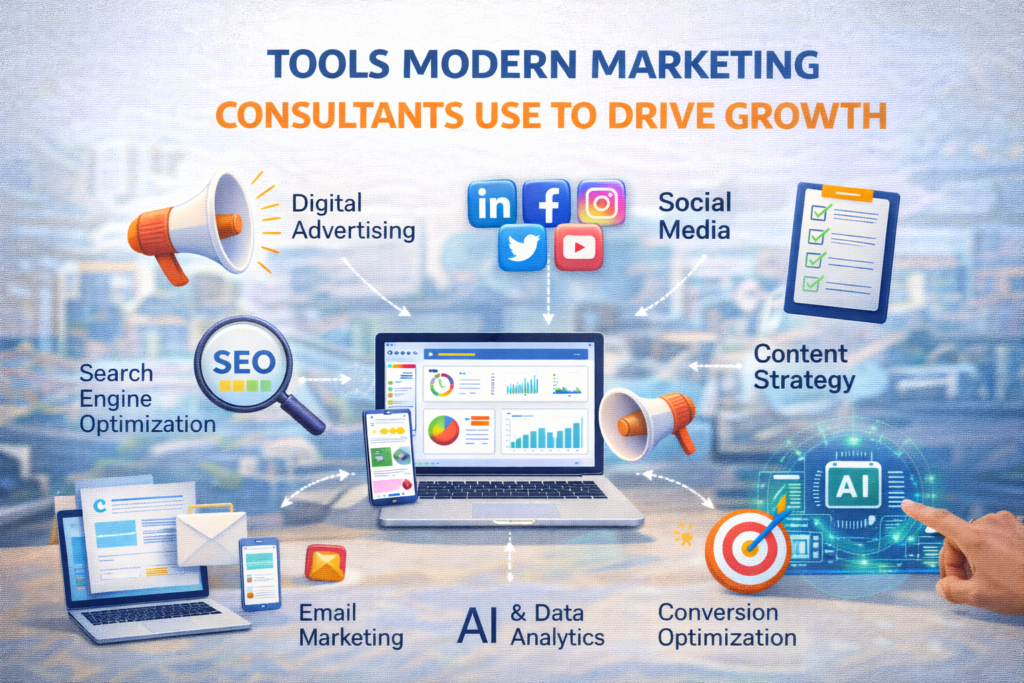
How modern marketing consultants use data driven tools to move beyond intuition and guesswork. Why analytics, SEO, content, conversion, and automation platforms are essential for scalable growth. How the right tool stack supports strategy, improves decision making, and turns fragmented tactics into predictable marketing systems.
Introduction
Marketing today is no longer driven by intuition alone. As businesses scale, decisions need to be backed by data, systems, and repeatable processes. This is where the right marketing consultant tools become critical. Over time, the role of a consultant has shifted from offering opinions to building growth frameworks powered by technology.
Modern marketing consultants rely on a carefully selected stack of tools to diagnose problems, uncover opportunities, and guide execution. These tools do not replace strategy. They support it. When used correctly, they help businesses move from scattered tactics to predictable growth.
Why Tools Matter More Than Ever
The complexity of digital marketing has increased dramatically. Multiple channels, fragmented customer journeys, and constant platform updates make it difficult to rely on manual analysis or surface level insights.
According to research published by McKinsey, organizations that use advanced analytics and digital tools are more likely to outperform competitors in revenue growth.
Data driven organizations are significantly more likely to acquire customers efficiently and retain them over the long term.
Marketing consultant tools provide clarity in this complexity. They allow consultants to see what is working, what is not, and where growth potential exists.
Analytics Tools for Performance Visibility
At the foundation of any consulting engagement sits analytics. Without clear performance visibility, growth decisions become guesswork.
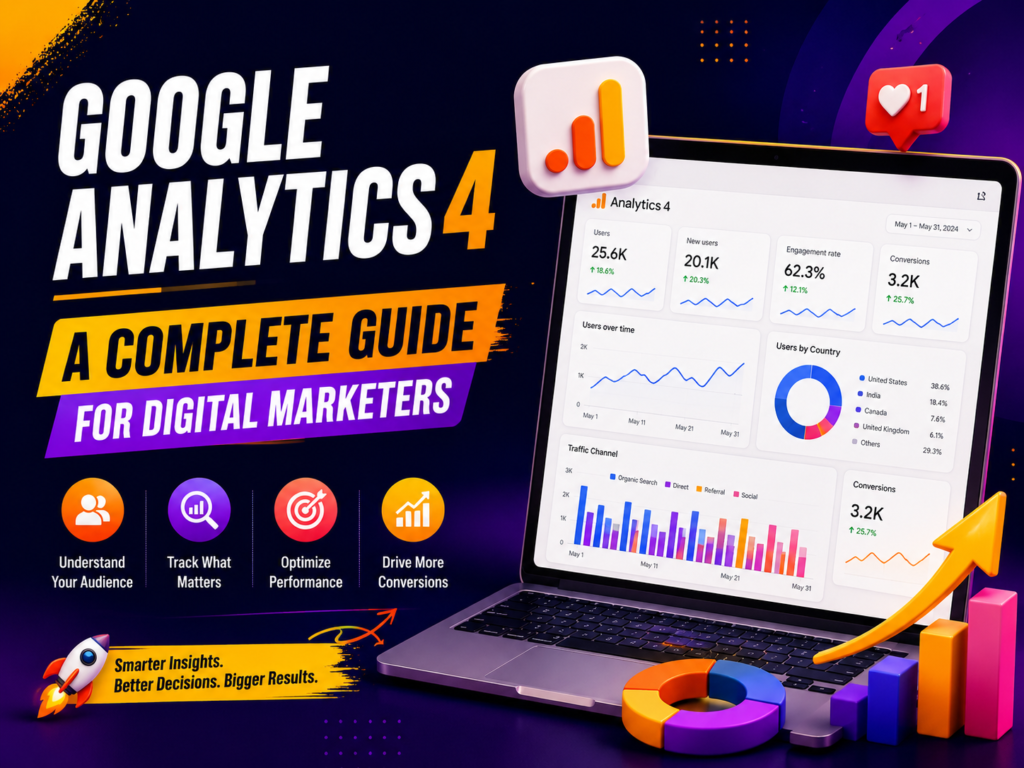
One of the most widely used platforms is Google Analytics. It helps consultants understand traffic sources, user behavior, and conversion paths across websites and landing pages.
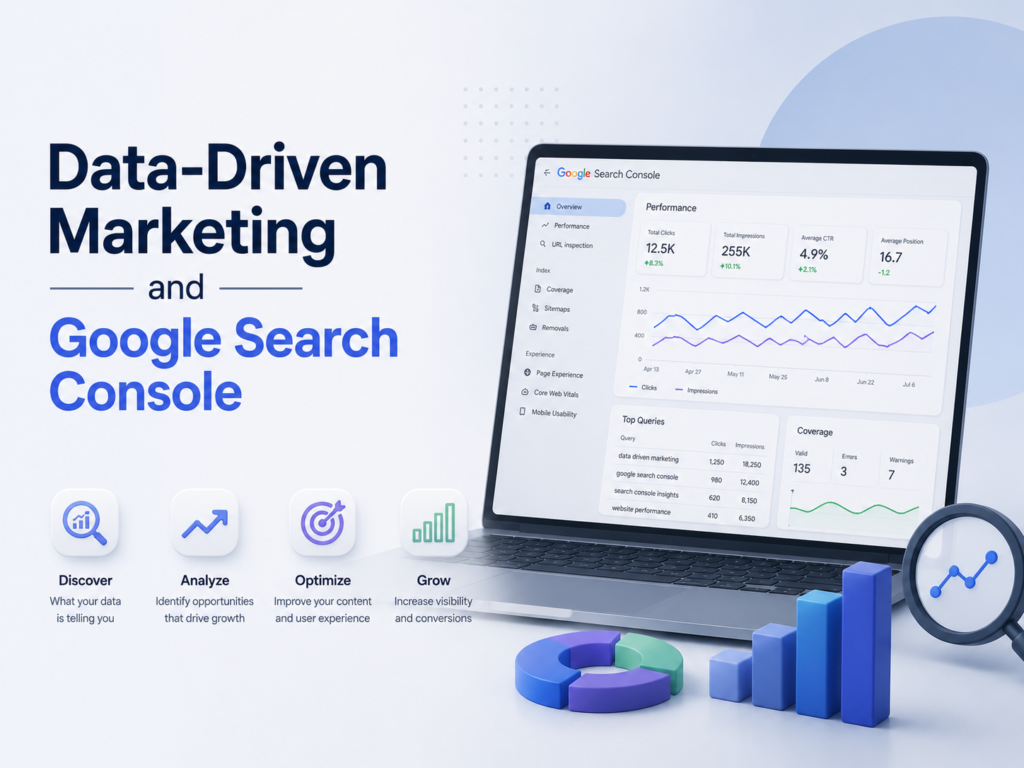
Another essential platform is Google Search Console. This tool provides insight into search visibility, keyword performance, indexing issues, and technical health.
These platforms allow consultants to answer questions such as:
• Which channels drive qualified traffic
• Where users drop off in the funnel
• How organic visibility changes over time
• Which pages contribute to conversions
Insights shared by Think with Google highlight that companies using analytics effectively are twice as likely to be top financial performers.
SEO and Competitive Intelligence Tools
Search remains one of the most powerful long term growth channels. Modern marketing consultant tools in this area focus on visibility, intent, and competition.
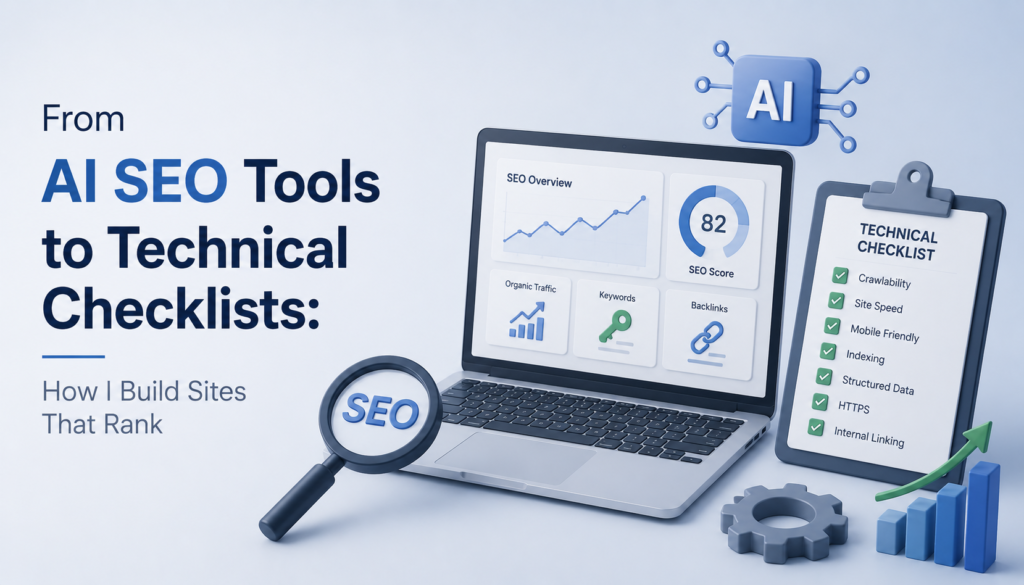
Platforms such as Semrush and Ahrefs help consultants analyze keyword demand, competitor strategies, backlink profiles, and content gaps. These insights inform SEO roadmaps aligned with business objectives rather than vanity rankings.
Technical analysis tools like Screaming Frog allow consultants to audit site structure, identify crawl issues, and prioritize fixes that impact performance.
According to research by BrightEdge, organic search drives the majority of trackable website traffic across industries.
SEO tools help transform organic search into a scalable asset.
Content Strategy and Optimization Platforms
Content is no longer about publishing more. It is about publishing with purpose. Marketing consultant tools in content strategy focus on relevance, performance, and efficiency.
Platforms like BuzzSumo help identify trending topics, content formats, and engagement patterns across industries. This allows consultants to align content creation with audience interest.
For on page optimization, tools such as Surfer SEO provide data driven recommendations based on top performing pages.
Studies shared by Demand Metric show that content marketing generates more leads at a lower cost than traditional outbound methods.
The right tools ensure content supports growth rather than adding noise.
Conversion Rate and User Behavior Tools
Driving traffic is only half the equation. Modern consultants place heavy emphasis on conversion optimization and user experience.
Tools like Hotjar allow consultants to analyze heatmaps, session recordings, and user feedback. This qualitative data explains why users behave the way they do.
Testing platforms such as Google Optimize support experimentation and continuous improvement.
Research from Baymard Institute highlights that most websites lose conversions due to preventable usability issues.
Conversion focused tools help unlock growth without increasing acquisition costs.
Paid Media and Advertising Platforms
Paid media plays a role in growth, but only when managed strategically. Marketing consultant tools in this category focus on efficiency and attribution rather than spend volume.
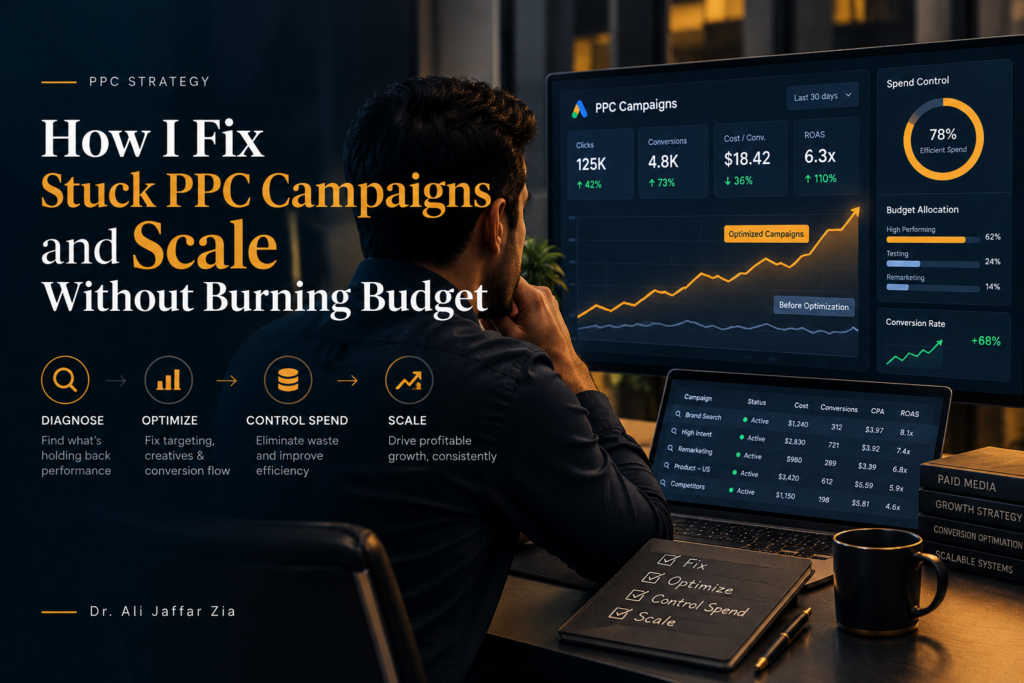
Google Ads remains a core platform for search driven acquisition. Consultants analyze keyword intent, quality scores, and conversion data to improve performance.
On the social side, Meta Business provides access to audience targeting, creative testing, and performance insights across Facebook and Instagram.
According to WordStream, aligning ad messaging with landing page intent can significantly reduce cost per acquisition.
Advertising tools support controlled scaling rather than aggressive spending.
CRM and Marketing Automation Systems
As businesses grow, managing leads and customer relationships manually becomes impossible. Modern marketing consultant tools include CRM and automation platforms that support lifecycle marketing.
HubSpot is commonly used for lead tracking, email automation, and attribution reporting. It helps consultants connect marketing activity to revenue outcomes.
Platforms like Salesforce support more complex sales pipelines and enterprise level reporting.
Data published by Gartner indicates that organizations using CRM systems effectively improve customer retention and sales productivity.
Automation allows growth systems to scale without increasing operational complexity.
Email Marketing and Nurturing Tools
Email remains one of the highest ROI channels when used strategically. Marketing consultant tools in this area focus on segmentation, personalization, and performance tracking.
Platforms such as Mailchimp and ActiveCampaign support automated nurturing sequences and behavior based messaging.
Research from Campaign Monitor shows that segmented email campaigns drive higher engagement and conversion rates.
Email tools help consultants extend the value of content and acquisition channels.
Social Media and Community Management Platforms
Social media plays a supporting role in visibility, authority, and engagement. Marketing consultant tools here focus on consistency and insight.
Platforms like Hootsuite and Buffer help manage publishing schedules and performance tracking across channels.
Professional platforms such as LinkedIn are also analyzed directly to assess audience growth and content impact.
Studies by Sprout Social show that consistent engagement builds trust and brand affinity over time.
Social tools support amplification rather than replacing strategy.
Project Management and Collaboration Tools
Growth initiatives fail without alignment. Marketing consultant tools also include platforms that support communication and execution.
Asana helps manage tasks, timelines, and accountability across teams. Notion supports documentation, strategy sharing, and centralized knowledge.
These tools ensure strategies are implemented consistently rather than living in presentations.
Visualization and Reporting Tools
Clear reporting helps stakeholders understand progress and make informed decisions. Tools like Google Looker Studio allow consultants to build dashboards that connect multiple data sources.
Visualization tools reduce complexity and focus attention on metrics that matter.
According to Forbes, businesses that visualize data effectively make faster and more confident decisions.
Reporting tools turn insight into action.
Choosing the Right Tools Over More Tools
One of the biggest mistakes businesses make is tool overload. More platforms do not equal better results.
Effective consultants focus on:
• Tool alignment with business goals
• Data accuracy and reliability
• Ease of adoption for teams
• Integration across systems
The value lies in how tools are used, not how many are adopted.
How Tools Support Strategic Growth
Marketing consultant tools are enablers, not drivers. Strategy determines direction. Tools provide clarity and efficiency.
When combined with experience and structured thinking, these platforms help businesses:
• Identify growth bottlenecks
• Prioritize high impact opportunities
• Measure performance over time
• Scale with confidence
Technology amplifies strategy rather than replacing it.
Final Thoughts
Modern marketing consultants rely on a sophisticated yet intentional set of tools to drive growth. From analytics and SEO to automation and collaboration, each platform plays a specific role within a broader system. The real advantage comes from knowing which tools matter, how to interpret their data, and how to translate insights into action.
For deeper guidance on building scalable marketing systems and selecting the right growth tools, more insights are available at alijaffarzia.com.
FAQs
1. Do tools replace marketing strategy
No. Tools support strategy but do not define it.
2. How many tools does a marketing consultant typically use
It varies, but most consultants focus on a core stack rather than dozens of platforms.
3. Are expensive tools necessary for growth
Not always. The right setup depends on business size and objectives.
4. Can small businesses benefit from these tools
Yes. Many platforms offer scalable plans suitable for growing teams.
5. What is the biggest mistake businesses make with tools
Adopting tools without a clear strategy or understanding how to use the data.