Quick Summary: What This Blog Covers
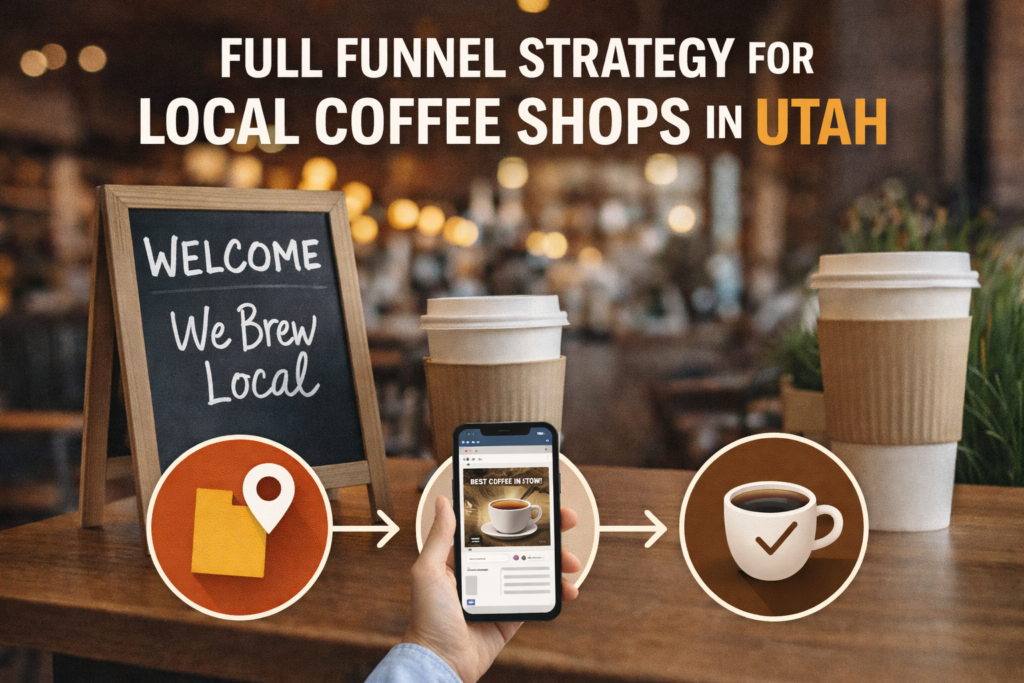
This blog explains how Utah coffee shops can use a full funnel strategy to attract new customers, convert them through digital touchpoints, and retain them with loyalty and community engagement. It breaks down each funnel stage and shows how aligning local culture, digital tools, and data creates predictable, sustainable growth.
Introduction
Running a local coffee shop in Utah today requires much more than great beans and a welcoming atmosphere. Customer behavior has changed. People discover brands online, compare options quickly and expect consistent experiences from the first interaction to the final purchase. A clear full funnel approach helps coffee shops attract new customers, convert them efficiently and turn casual visitors into loyal regulars. When built correctly, a local coffee shop funnel creates predictable growth instead of relying only on foot traffic.
A funnel strategy focuses on guiding people through awareness, consideration, conversion and loyalty. For coffee shops, this journey often begins long before someone walks through the door. Digital touchpoints shape perception and influence decisions. By understanding how each stage works together, Utah coffee shops can compete effectively even in crowded local markets.
According to research from Square, more than sixty percent of consumers discover local food and beverage brands online before visiting in person.
This makes a structured funnel essential, not optional.
Understanding the Local Coffee Shop Funnel
The local coffee shop funnel represents how potential customers move from discovery to repeat visits. Each stage serves a specific purpose and requires different messaging. Treating all customers the same often leads to missed opportunities.
The funnel generally includes
• Awareness
• Engagement
• Conversion
• Retention
• Advocacy
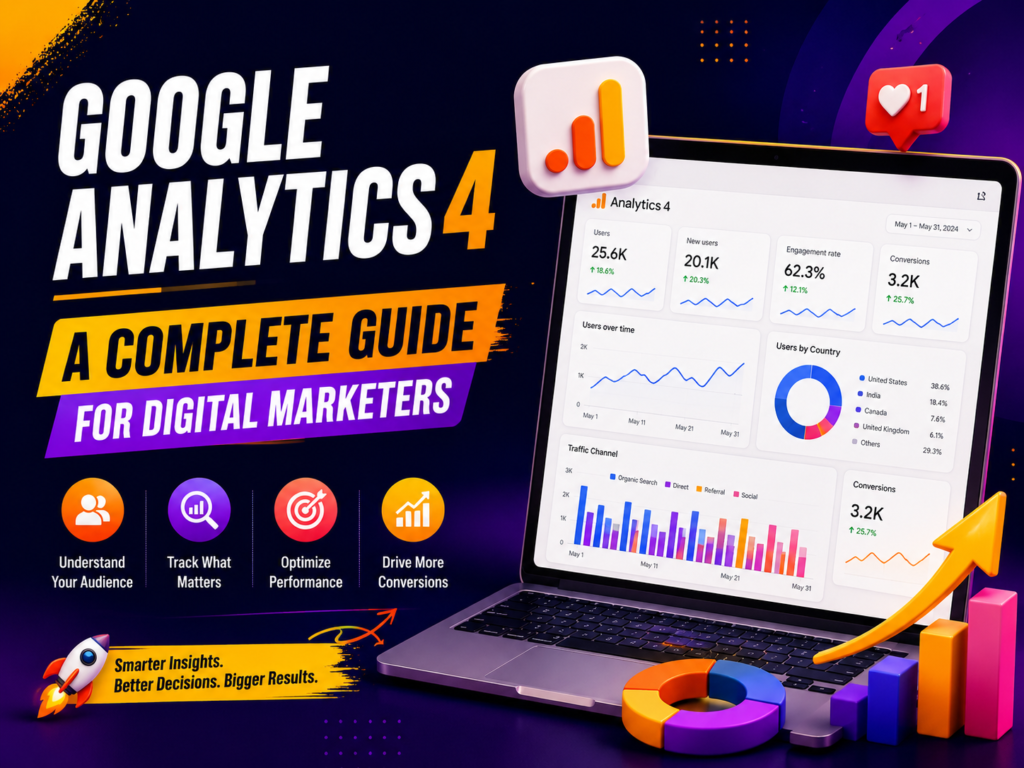
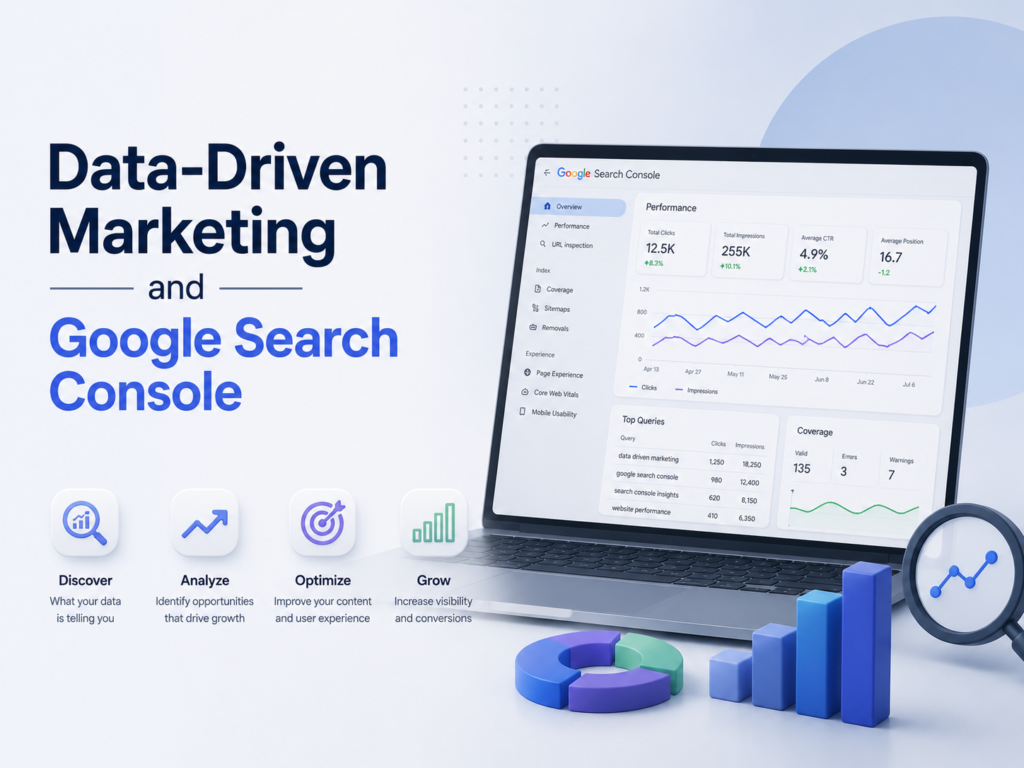
Tools such as Google Analytics help track how customers move through digital touchpoints, while platforms like Google Business Profile support local discovery. When each stage is optimized intentionally, the funnel becomes a growth engine rather than a guessing game.
Awareness Stage Reaching Coffee Lovers in Utah
Awareness is about visibility. Coffee shops in Utah compete not only with nearby cafes but also with chains and alternative beverage options. Reaching the right audience at this stage means showing up where people search and scroll.
Local SEO plays a major role here. Optimizing listings on Google Maps ensures that coffee shops appear when people search nearby. Consistent business information across platforms improves trust and discoverability.
Social platforms such as Instagram and Facebook help showcase atmosphere, drinks and community involvement. Visual storytelling creates emotional connection before the first visit.
Data from BrightLocal shows that ninety eight percent of consumers read online reviews for local businesses.
This highlights the importance of review platforms like Yelp and Tripadvisor during the awareness phase.
Engagement Stage Creating Interest and Connection
Once people become aware of a coffee shop, engagement keeps them interested. Engagement focuses on building familiarity and trust before asking for a visit or purchase.
Content plays a key role here. Sharing behind the scenes stories, seasonal drink highlights and community events helps humanize the brand. Email newsletters managed through tools like Mailchimp allow coffee shops to stay top of mind.
Engagement strategies often include
• Social media posts showing daily specials
• Short videos explaining brewing methods
• Stories featuring staff or regular customers
• Polls or questions encouraging interaction
Platforms such as Canva help create visually appealing content without needing a designer. The goal is to make potential customers feel connected before they step inside.
According to HubSpot, brands that engage audiences regularly see up to fifty percent higher conversion rates.
Conversion Stage Turning Interest Into Visits
Conversion is where engagement becomes action. For local coffee shops, conversion typically means an in store visit, an online order or a loyalty signup. Reducing friction at this stage is critical.
Clear calls to action help guide decisions. Directions, hours and menus should be easy to find. Ordering platforms such as Square and Toast simplify the checkout process for mobile customers.
Effective conversion tactics include
• Limited time offers
• First visit discounts
• Online ordering convenience
• Easy to access menus
• Clear location details
Research from Toast indicates that mobile ordering increases average order value by nearly twenty percent.
By aligning digital tools with customer expectations, coffee shops make it easy for people to take the next step.
Retention Stage Building Habit and Loyalty
Retention is where long term success is built. A customer who returns regularly becomes far more valuable than a one time visitor. The retention stage focuses on creating habits and emotional attachment.
Loyalty programs are highly effective. Platforms like Square Loyalty reward repeat visits and encourage consistent spending. Email follow ups and SMS campaigns keep customers informed about new drinks and promotions.
Retention strategies often include
• Loyalty rewards programs
• Personalized offers
• Seasonal menu previews
• Community events
• Birthday or milestone rewards
Bain and Company research shows that increasing customer retention by five percent can boost profits by up to ninety five percent.
Retention ensures that the local coffee shop funnel continues to feed itself over time.
Advocacy Stage Turning Customers Into Promoters
Advocacy transforms loyal customers into brand ambassadors. When people love a coffee shop, they naturally share it with friends, family and online communities. Encouraging this behavior amplifies reach without additional advertising spend.
Simple advocacy actions include asking satisfied customers to leave reviews or share photos. Review platforms like Google Reviews and social sharing help spread visibility organically.
Tools such as Hootsuite make it easier to monitor mentions and respond to customer posts. Recognition and engagement reinforce the relationship.
According to Nielsen, ninety two percent of consumers trust recommendations from people they know over advertising.
Advocacy strengthens the top of the funnel while reinforcing trust throughout the entire journey.
Aligning Digital Channels for Funnel Consistency
A successful funnel requires consistency across all digital channels. Messaging should feel connected whether someone finds the coffee shop on search, social media or email. Disconnected experiences break trust.
Using platforms like Meta Business Suite helps manage Facebook and Instagram messaging in one place. Analytics tools reveal which channels contribute most to each funnel stage.
Key alignment areas include
• Brand voice consistency
• Visual identity
• Promotional timing
• Customer support tone
• Offer messaging
When channels work together, the funnel feels natural rather than forced.
Measuring Funnel Performance for Continuous Improvement
Data helps refine strategy. Coffee shops should regularly review metrics that indicate how well each stage performs. Understanding where drop off occurs allows targeted improvements.
Important metrics include
• Website traffic sources
• Social engagement rates
• Online order conversions
• Loyalty participation
• Repeat visit frequency
Platforms like Google Analytics and Square Dashboard provide insights into customer behavior. Reviewing this data monthly helps maintain momentum.
According to McKinsey, data driven businesses are twenty three times more likely to acquire customers successfully.
Measurement ensures the local coffee shop funnel evolves with customer behavior.
Adapting the Funnel to Utah Local Culture
Utah coffee shops often serve communities with strong local identity. Adapting messaging to regional values and lifestyles builds deeper connection. Highlighting local suppliers, sustainability efforts and community involvement resonates strongly.
Local event calendars, partnerships with nearby businesses and seasonal campaigns aligned with Utah activities strengthen relevance. This cultural alignment increases engagement across every funnel stage.
Final Thoughts
A full funnel approach transforms how local coffee shops in Utah attract, convert and retain customers. By understanding each stage and aligning digital tools with customer expectations, coffee shops create sustainable growth. The local coffee shop funnel provides clarity, structure and consistency in a competitive market. For more insights on digital marketing, local SEO and growth strategies, additional resources are available on my website at alijaffarzia.com.
FAQs
What is a full funnel strategy for coffee shops
It guides customers from awareness to loyalty through structured digital and in store experiences.
Why is digital marketing important for local coffee shops
Most customers discover cafes online before visiting, making visibility essential.
Which tools help manage coffee shop funnels
Google Analytics, Square, Mailchimp and social media platforms support different stages.
How long does it take to see funnel results
Most coffee shops notice improvements within three to six months of consistent execution.
Can small coffee shops compete with chains using funnels
Yes. Personalized experiences and local focus often outperform generic chain strategies.