Quick Summary: What This Blog Covers
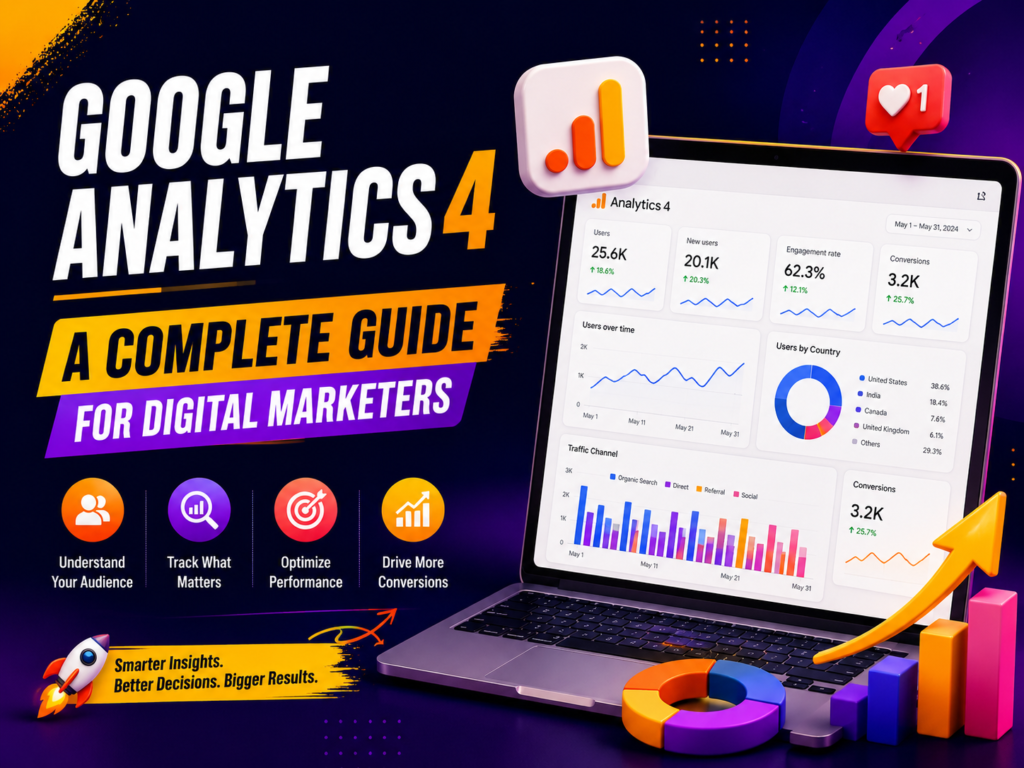
This blog explains how Google Analytics reveals real SEO progress by showing organic traffic quality, engagement behavior and conversion impact. It highlights key metrics, long term trends and the value of pairing Analytics with tools like Search Console and Semrush to guide smarter SEO decisions.
Introduction
Understanding SEO progress has become a priority for any business that wants sustained visibility and dependable organic growth. Google Analytics remains one of the most valuable tools for interpreting how search driven visitors behave and how they contribute to overall results. The platform gives retailers, service providers and growing brands a clear picture of what is working and what needs adjustment. When SEO performance analytics are reviewed consistently, decision making becomes far more confident and grounded in real user behavior.
A recent industry survey from Search Engine Journal reports that seventy percent of marketers rely on Google Analytics as their primary source for measuring SEO success.
Google Analytics does not just show traffic numbers. It reveals patterns, engagement strength, conversion paths and the overall quality of organic visitors. By exploring the right data points, businesses can move beyond guesswork and focus on actions that increase visibility and revenue.
Why Google Analytics Matters for Long Term SEO Growth
Search behavior is constantly changing, and businesses in all industries feel the impact. Google Analytics helps reveal how those shifts affect visibility. Instead of wondering whether strategies are effective, the platform confirms it with measurable performance. The value of SEO performance analytics is not just in tracking results but in guiding stronger decisions.
Tools such as Google Analytics offer real time and historical insights, making it easier to compare growth across months and seasons. When businesses look at year over year changes, they gain a true understanding of whether their SEO strategy is heading in the right direction.
Platforms such as Semrush and Ahrefs pair well with Google Analytics because they help identify keyword performance, while Analytics validates user behavior and revenue contribution.
Organic Traffic and What It Reveals About Performance
Organic traffic is one of the clearest indicators of SEO strength. When search visibility improves, more visitors arrive from query based intent. The key is understanding whether traffic is relevant and engaged. Google Analytics helps separate curiosity from qualified interest.
The channels report shows exactly how many people arrive from search engines. Businesses should monitor this section weekly and quarterly to spot trends. If there is steady growth over months, it signals that content and technical optimization are aligned with search behavior.
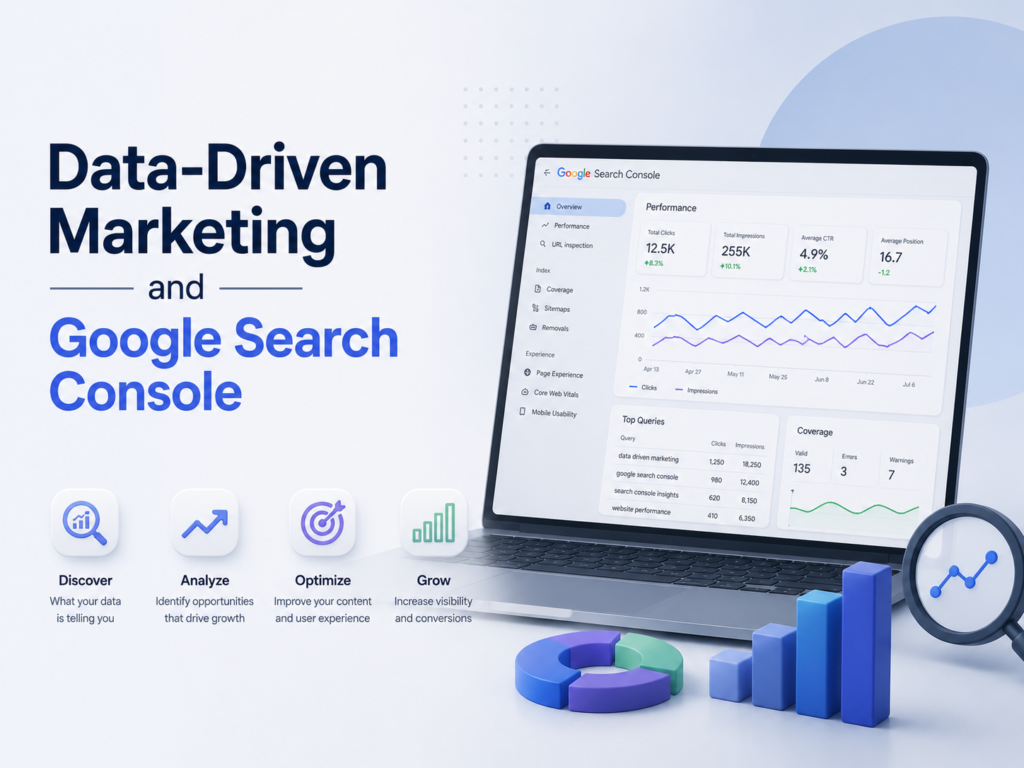
Platforms like Search Console complement Analytics by showing which queries lead visitors to the site. When both tools are reviewed together, the picture becomes much clearer.
In a recent study by Backlinko, websites that optimized their content based on Analytics user behavior saw engagement metrics improve by up to forty percent within six months.
Evaluating Engagement Metrics for SEO Confirmation
SEO progress is not measured solely through traffic increases. Engagement metrics show whether visitors find value in the content once they arrive. Google Analytics includes several indicators that reveal user intent and satisfaction.
Some of the most meaningful engagement metrics include
- Time on page
- Pages per session
- Scroll depth
- Bounce rate
- Returning visitor percentage
When these indicators improve, it suggests that content matches audience expectations. This is a core component of SEO performance analytics because search engines favor pages that deliver genuine value.
Tools such as Hotjar add an additional layer of insight by showing heatmaps that explain behavior visually. When Analytics and Hotjar insights are combined, content refinement becomes much more strategic.
Tracking Page Level Performance for Deeper SEO Clarity
Every page plays a unique role in driving SEO progress. Google Analytics allows businesses to review performance at the individual page level, which is essential for refining strategy. High performing pages often reveal which topics resonate most with visitors.
Some pages attract significant organic traffic but show poor engagement. Others have smaller traffic numbers but deliver strong conversions. Both are valuable signals. Analytics helps identify patterns that should guide future content creation.
By pairing page level data with keyword insights from Semrush, businesses can update, expand or consolidate content strategically. This ensures that SEO efforts are grounded in real user behavior.
Studies from HubSpot indicate that updating existing content based on Analytics data can lift organic traffic by as much as one hundred percent.
How Google Analytics Helps Measure Conversion Impact
Organic growth is valuable, but SEO progress is ultimately measured by conversions. Google Analytics shows how many visitors take meaningful actions after arriving from search. When SEO efforts lead to sign ups, purchases or inquiries, it confirms that traffic is not only growing but contributing directly to revenue.
Goal tracking in Analytics allows businesses to monitor conversion paths. By reviewing which pages initiate conversions and which touchpoints influence them, businesses gain a deeper understanding of what drives outcomes.
Tools like Google Tag Manager make conversion tracking easier by helping teams set up event tracking without relying heavily on developers.
Data from WordStream shows that businesses using detailed event tracking see conversion insights improve by nearly fifty percent.
Reviewing Landing Page Behavior for SEO Wins and Weak Spots
Landing pages are often the first touchpoint for organic visitors. Google Analytics tracks how these pages perform and how users interact with them. High traffic with low engagement usually means expectations are not being met. High engagement with low conversion may indicate unclear calls to action.
Landing page metrics reveal whether the page structure, content flow and user experience align with visitor intent. When businesses review these metrics regularly, they can address weak spots before they impact rankings.
Platforms such as Unbounce provide tools that work well with insights from Analytics to create more effective landing experiences.
Understanding Long Term Trends Through SEO Performance Analytics
Short term changes can sometimes mislead. Seasonal fluctuations, holidays and industry trends all influence organic activity. Google Analytics helps businesses identify long term SEO patterns through monthly and quarterly comparisons.
Long term analysis highlights
- Sustained improvement
- Seasonal dips
- Shifts in audience behavior
- Impact of algorithm changes
- Content opportunities
When these trends are reviewed regularly, businesses can plan content calendars, update key pages and maintain stable growth.
Tools like Data Studio help visualize long term trends clearly through customizable dashboards.
Industry research shows that businesses reviewing long term Analytics data are sixty percent more likely to maintain year over year SEO growth.
Evaluating Keywords and Search Intent Through Analytics Behavior
While Google Analytics does not reveal every keyword searched, it does highlight user behavior that reflects intent. For example, if visitors land on a buying guide and spend several minutes reading, it signals strong informational intent. If users move quickly to product pages, it signals purchase readiness.
By reviewing behavior patterns, businesses can understand which types of content align with specific stages of the buyer journey. This helps refine keyword targeting, content structure and internal linking.
Pairing Analytics data with insights from Ahrefs strengthens this understanding by showing which keywords are gaining momentum.
FAQs
What is the most important metric in Google Analytics for SEO
Organic traffic and engagement combined often provide the clearest picture of progress.
How often should SEO performance be reviewed in Analytics
Weekly reviews highlight small shifts, while monthly reviews reveal meaningful trends.
Does Google Analytics help measure keyword success
Indirectly yes. Search behavior becomes visible through landing page performance and user engagement.
Which goals should businesses track for SEO progress
Lead submissions, phone calls, sales, video engagement and any action that signifies meaningful interest.
Can Google Analytics show if content updates improved SEO
Yes. Page level comparisons before and after updates reveal the impact clearly.